
How to Choose the Right Helmet for Your Vintage or Modern Classic Motorcycle
Jet or full-face, polycarbonate or fibreglass: a practical guide to choosing the right helmet for your vintage or modern classic motorcycle, balancing style, safety and fit.
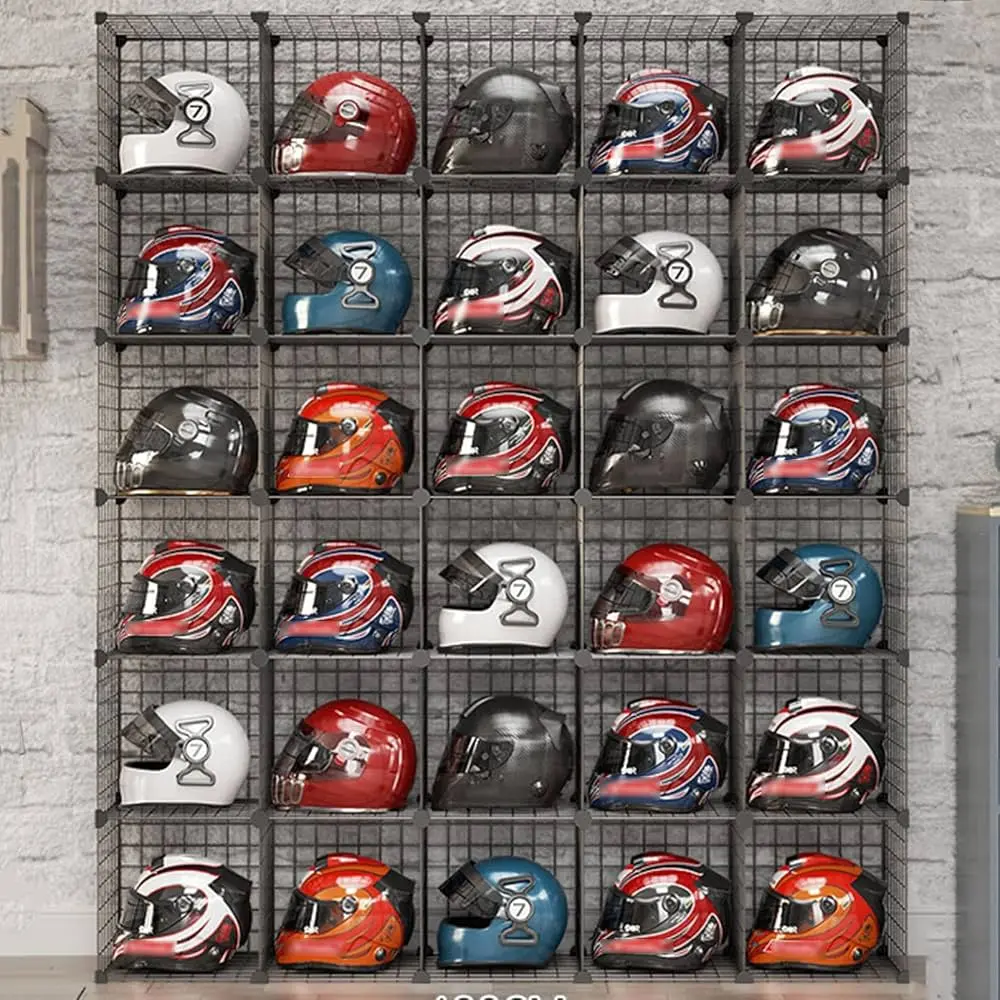
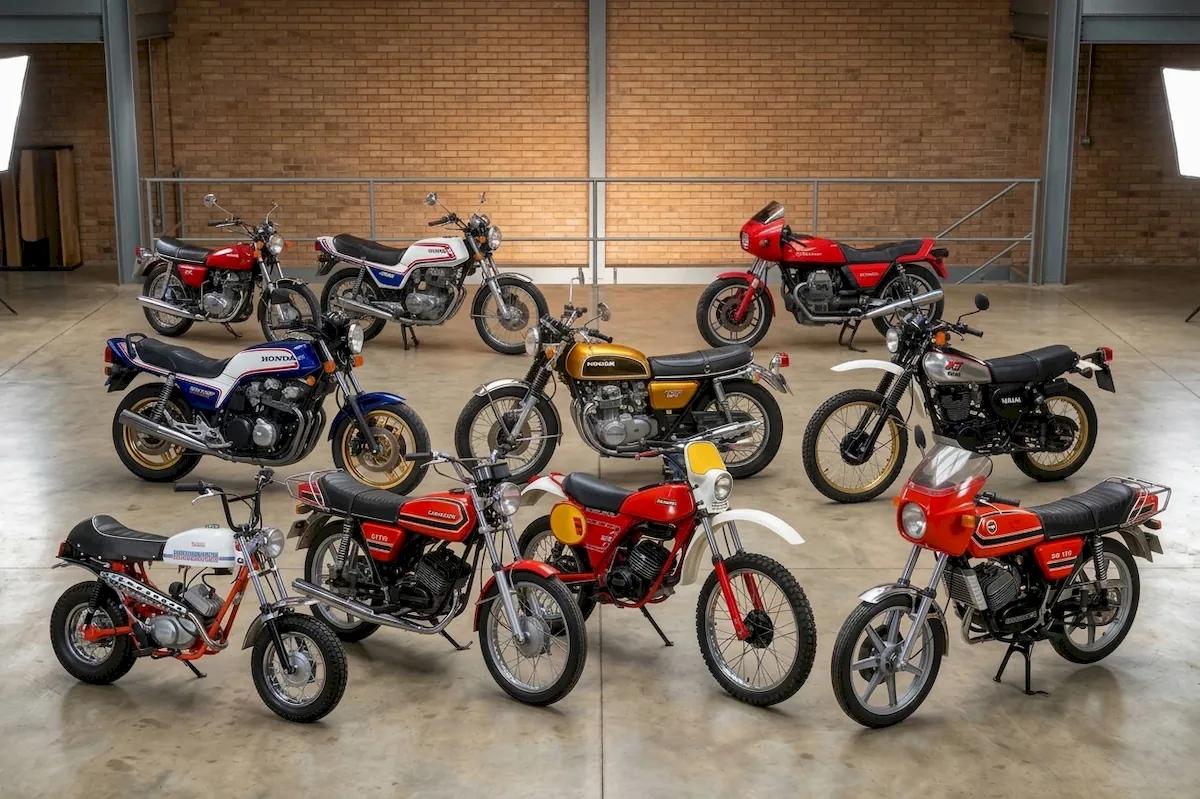
Anyone who owns a vintage motorbike or a modern classic knows this all too well: a helmet isn’t just a piece of protective kit; it’s part of the bike’s character. On a Triumph Bonneville, a Guzzi V7 or an old CB restored to perfection, a sports helmet with aggressive lines looks just as out of place as a Bluetooth stereo on a jukebox. But be careful: aesthetics must never take a back seat to safety, and today’s market offers solutions that perfectly combine the two. Let’s see how to make the right choice.
Open-face or full-face: the first real choice
The difference between an open-face and a full-face helmet isn’t just a matter of style, but of practical use on the bike.
The jet helmet leaves the face uncovered and best embodies the image of vintage motorbikes: clean lines, a low shell, and a three-button peak on the models most faithful to tradition. It is lightweight, well-ventilated, and perfect for a ride through the city centre or for those low-speed summer outings typical of those who ride vintage motorbikes at a leisurely pace. The downside is protection: the chin and face remain exposed, so it’s a sensible choice only if you’re mainly riding in urban areas or on quiet roads, perhaps combined with goggles or a long visor to protect your eyes from the wind.
The full-face helmet, even in ‘neo-retro’ versions that echo the shapes of 1960s and 1970s models, offers complete protection for the chin and face. If you also ride your modern classic on A-roads, motorways or mixed routes at high speeds, the full-face helmet remains the most responsible choice, without having to compromise on aesthetics: today there are shells with domed visors, exposed stitching and leather linings that perfectly capture the vintage spirit whilst retaining the structure of a modern helmet.
An interesting middle ground is offered by open-face helmets with a removable chin guard: they provide more protection from wind and debris than a standard open-face helmet, but it is worth remembering that, unless specifically P/J-approved, the chin guard does not guarantee the same structural protection as a true full-face helmet in the event of a fall.
Polycarbonate or fibre: what really makes the difference
The material of the shell affects weight, perceived safety and price, and is one of the aspects that causes the most confusion.
Polycarbonate is a moulded thermoplastic, inexpensive to produce and therefore typically found in entry-level helmets. It is resistant to point impacts, but over time and with exposure to UV rays it tends to lose elasticity, which is why manufacturers recommend replacing a polycarbonate helmet after a shorter period of use than a fibre helmet. It’s the right choice if you’re looking for a vintage open-face helmet for occasional use, perhaps as a spare helmet or for the warmer months.
Glass fibre (often in a multi-layer composite combined with carbon or aramid) is lighter for the same volume, dissipates impact energy more effectively thanks to a structure that tends to ‘flake off’ in a controlled manner, and ages better over time. It is the material found in mid-range and high-end helmets, whether full-face or jet, and is generally the recommended choice if the helmet is used frequently or on journeys outside built-up areas.
In both cases, the first thing to check when buying is the type-approval: today, the benchmark standard is ECE 22.06, the most recent and the strictest in terms of impact testing, including rotational stresses that better simulate the actual dynamics of accidents.
How to choose the right size (and why it’s the most important choice of all)
Even the most stylish helmet in the world, if it doesn’t fit properly, offers less protection than a cheaper one that fits well. Here’s how to do it:
- Measure the circumference of your head with a tape measure, running it about 2 cm above your eyebrows and over the most prominent part of the back of your head. Compare the measurement in centimetres with the specific manufacturer’s size chart, as sizes are not standardised across brands.
- Take the shape of your head into account, not just the circumference: heads can be round, long-oval or somewhere in between, and some brands (such as Japanese ones) tend to fit more snugly at the sides, whilst others are longer in shape.
- Wear the helmet for 10–15 minutes in the shop: if any painful pressure points appear, it’s not the right size, even if it feels comfortable at first.
- Do the shake test: with the helmet fastened, try rotating it on your head by gently pushing from the front and the sides. It should move very little, without sliding over your eyes.
- Remember that the inner padding settles With use: a helmet that feels slightly tight in the shop often becomes a perfect fit after a few weeks, whilst one that feels comfortable straight away may stretch too much over time.
A selection of options, ranging from good value to excellence
Below are some practical recommendations, categorised by price range, designed for those seeking a style that complements vintage and modern classic motorbikes.
Entry-level range (open-face, good value for money) Brands such as VINZ or Stormer offer ECE 22.06-certified open-face helmets that are lightweight, with a vintage visor and removable, washable liners: a good starting point for those seeking a retro style without a major investment, ideal for city use.
Mid-range (fibre-reinforced open-face and full-face helmets, solid quality) Brands such as Roeg or DMD produce composite fibre open-face helmets with designs faithful to the 1960s and 1970s, featuring more refined construction than entry-level models whilst keeping prices reasonable. This is the right price range if you want a real step up in protection without spending a fortune.
High-end range (neo-retro full-face helmets, industry benchmarks) The Bell Bullitt remains an absolute benchmark for those seeking a 1960s aesthetic, with a fibreglass shell, leather lining and up-to-date type-approval. On a par with this is the Shoei Glamster, a full-face helmet from the Neo Classic range featuring an AIM fibre shell and high-quality finishes. Frequent riders seeking the utmost in safety combined with vintage style will find in these models an excellent balance between aesthetic tradition and modern engineering.
In all cases, always check that the chosen model bears the ECE 22.06 marking on the strap: this is the essential minimum guarantee, whatever your budget.
Helmet care and hygiene: small steps, big difference
A well-maintained helmet lasts longer and is also more comfortable to wear.
- Removable liners: hand-wash them with a mild detergent every 3–4 weeks if used frequently, or at the end of the season in any case. Avoid the washing machine, as this can distort the memory foam padding.
- Outer shell: clean with lukewarm water and mild soap; never use solvents or alcohol, as these can damage the paintwork and plastic components of the visor.
- Visor: always rinse before wiping to prevent dust and insects from scratching the surface; a microfibre cloth is ideal for drying.
- Quick sanitising: between washes, a helmet-specific sanitising spray, applied to the interior and EPS and left to air-dry, helps to minimise odours and bacteria, especially in summer.
- Storage: store your helmet in a dry place, away from direct heat sources and sunlight, preferably in its original bag, to protect both the shell and the paintwork.
- Replacement: beyond its aesthetic appearance, a helmet must be replaced after a fall, even if it appears undamaged on the outside, and replacement should in any case be considered after prolonged use, as the internal materials lose their shock-absorbing capacity.
In summary
Choosing a helmet for a vintage or modern classic motorbike means balancing two things that are often seen as mutually exclusive: style and safety. Nowadays, you no longer have to choose: first, determine how you actually use your motorbike (in town or on country roads), then decide on the type of helmet (open-face or full-face), next choose the material based on how often you’ll use it, and finally, take the time needed to find the correct size, which remains the most important factor of all. The rest is a matter of taste, and that’s where your motorbike and your helmet truly tell the same story.
Before buying a helmet, or to assess the one you already have in your garage, check out SHARP – the UK website that carries out independent tests and assigns safety ratings to helmets without being influenced by manufacturers. A quick check that could make a big difference to your safety.